L.001 · 28 September 2026 · 5 min read
Clarity is a light switch
Three stories about the moment the light comes on, and five ways to tell where you’re at, light-wise.
Anyone who's booked a lineup or programmed a radio show knows this to be true. The right song at the right moment for the right people can bring the house down. There's art and magic to it. On the other hand, a lack of clarity about how to bring those elements together practically guarantees that’s never going to happen.
In May 1954, Bill Haley & His Comets released a single called "Thirteen Women." The track on the B-side wasn't the one the label was promoting. The record sold a bit, charted a little, and was basically a non-event.
A year later, a movie called Blackboard Jungle opened with that B-side over the credits. Played for a mass audience, teenagers got up and danced in the aisles. By July 1955, "Rock Around the Clock" was the first rock and roll record to hit number one on Billboard's pop chart. It stayed there for eight weeks.
When the film screened in the UK, a soon to be 15-year-old Ringo Starr went to see it with his grandparents: "I'm sitting there, I'd been in the hospital, don't know much about what's going on lately, and they ripped up the cinema. They just threw the chairs, went crazy. I said, 'Wow, this is great!' I remember that moment like it was yesterday."
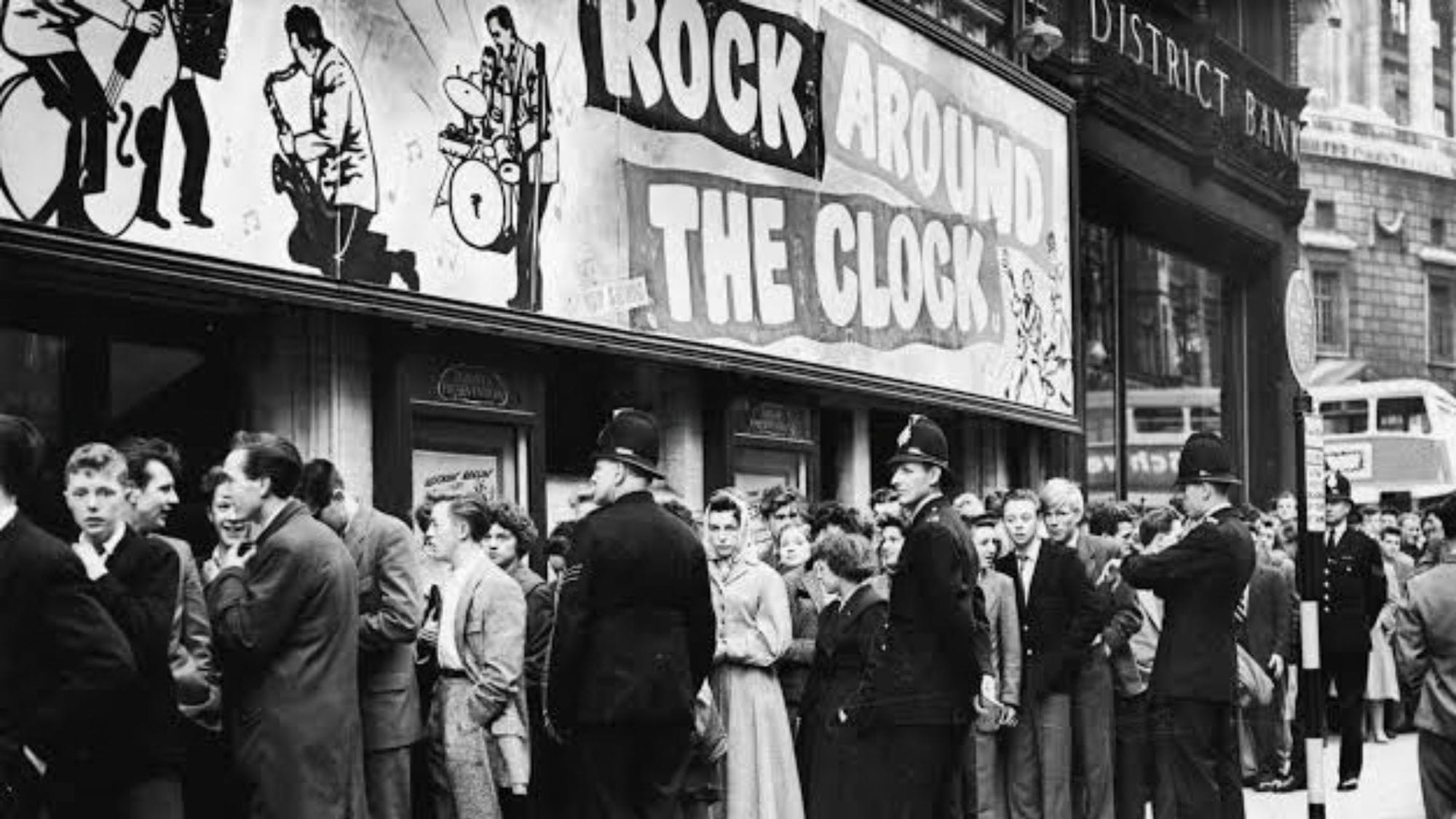
Derek Thompson tells the story of this song in Hit Makers. The record that was number one in 1955 was the same recording the band had made the year before. It didn't get better. Someone put it in the right room, in the right context, in front of the people it was always for, and the lights came on.
Marketing done right is magic. You know it when you see it. Things fall into place and there’s no going back.
Clarity happens in an instant. Flip a light switch and nothing in the room has changed. The product is the same as moments before. But what changes is who can see it and how it looks to the market, the customer, and quite often the team that built it.
For the customer, a can of water
In 2009, Mike Cessario, a graphic designer who worked in advertising, was at the Warped Tour in Denver. He noticed bands drinking water from energy drink cans. Monster was the event sponsor, and so they produced "Tour Water" for artists to stay hydrated in the heat, while appearing to fans like they were having energy drinks. Flash! Cue the realisation that no healthy products had the kind of irreverent branding those crowds were actually into.
Nine years later, before producing a single physical can, Mike shot a commercial for $1500 and posted it on Facebook. Four months later, it had three million views, and the page had more followers than Aquafina's did at the time. Then he made the product. Mountain water, in a tall can, with a melting skull on it and what he called the dumbest possible name for the healthiest possible drink.
Liquid Death launched in 2019. In 2023 it did $263 million in retail sales. As of 2024, Liquid Death was valued at $1.4 billion.
It's literally water. About the most ordinary product possible. What Cessario sold was pure marketing and brand magic. A way for a whole crowd of people to see themselves in a product. Seth Godin has a line for this in This Is Marketing: "People like us do things like this." What was inside the can stayed the same. What changed was who could see it was for them.
For the team, a memo about saddles
On 31 July 2013, two weeks before Slack's first preview release, then CEO Stewart Butterfield sent his team a memo, "We Don't Sell Saddles Here."
The idea was simple. If you make saddles, don't sell leather and stitching. Sell horseback riding. Slack wasn't group chat software. It was less information overload and making better decisions faster. And because that was the promise, every detail they shipped had to live up to it, down to the first few minutes a new team spent inside the product.
“We’re selling better organizations, better teams. That’s a good thing for people to buy and it is a much better thing for us to sell in the long run.”
That memo wasn't marketing wrapped around something finished. It was a brief for the product still in development. The story came first, and it told the team what mattered, what to build and how good it had to be. Slack launched publicly the following February.
Thinking upstream first
Most founders treat marketing as what happens after the building stage. You make the thing, and then somebody works out how to sell it.
The stories we’ve just heard run the other way. A record that needed the right room. A brand that existed before the product. A marketing memo that wrote the product's brief.
I'm now certain that positioning sits upstream of almost everything a company does, including what it builds. When the story is clear, the whole team can see the way forward. When it isn't, even great products can trip over themselves, and remain in the dark.
5 things that change when the lights come on
1. Your team stops pitching five different companies. Everyone tells the same story, in their own words. Try this: ask three people on your team to describe the company in one sentence. Count how many versions you hear.
2. The right people recognise themselves straight away. And the wrong ones leave politely, which saves everyone time. Try this: could a stranger tell from your website or socials whether what you do is for them?
3. People start repeating you. Customers, investors and partners pass on your story without being asked, and without you in the room. That's when marketing starts to grow organically. Try this: when did someone last describe your company back to you better than you'd have said it yourself?
4. Decisions get faster. What to build, what to cut, what to turn down. Clarity sits upstream of the roadmap. Try this: think of the last feature your team argued about. Would a clear answer to "who is this for?" have it settled in a minute?
5. You’re no longer a bottleneck. You stop being the only person who can explain the company, and you get hours back for the work only you can do. Try this: count the meetings you joined this month just to explain the product.
Lights on
There's a reason my practice is called Lucid. Let's take it to the dictionary. Lucid means clearly expressed and easy to understand. Clarity is the quality of being easy to see and hear. The names are the value proposition. If I can't make my own company obvious, I've got no business working on yours.
Lucid is a positioning and narrative practice for founders whose product is ahead of their story. It starts with a Clarity Sprint, because clarity comes first. Then it's Activation: the story out in the world, doing its job. Then Compounding: a story that gets sharper every time the product moves.
One question I'd ask. Who, apart from you, can make a stranger lean in when they describe what you've built?
If the answer is nobody yet, let's talk.
Cover: Piet Mondrian, Composition with Red, Blue and Yellow, 1930. Kunsthaus Zürich.